The past five years have highlighted one undeniable truth: our supply chain is the backbone of the UK. The pandemic underscored its critical role, as the nation became increasingly reliant on lorry drivers and warehouse staff working tirelessly to maintain operations.
But to gain a greater understanding of our supply chain, it’s critical to understand the difference between warehouse and distribution. The two work hand-in-hand and yet serve two distinct purposes within our operations.
With that said, let’s take a look at the differences between warehousing and distribution.
 What is warehousing?
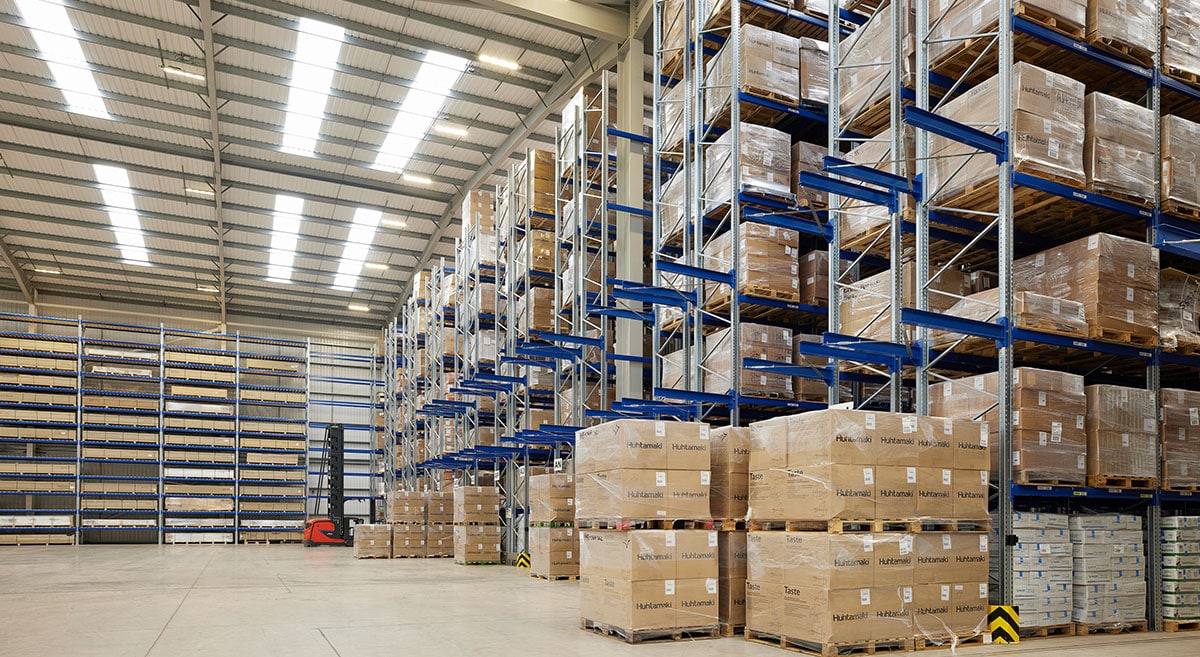
Warehousing refers to the storage of goods in a dedicated facility until they are needed. Warehouses are designed to accommodate inventory for varying periods, from short-term holding to long-term storage.
Businesses across a range of industries rely on warehousing to ensure their products are readily available to support an efficient supply chain. However, regardless of the industry, every warehouse manages the movement, storage, tracking and distribution of goods.
There are numerous forms of warehousing available, including racked and bulk storage, cross-dock operations, food-grade warehousing, and value-added services such as co-packing and kitting. Conducting thorough research into your own business requirements can help identify the best option for you.
Warehouse Management Systems (WMS)
We’re currently living in an exciting time for warehousing, as advanced technology and AI automation has streamlined operations. What would have once taken hours of manual record keeping and work can now be fulfilled instantly with the use of technology-led Warehouse Management Systems.
These allow logistics providers to offer real-time tracking, live reporting and audits, and instant stock level visibility. This reduces the need for manual data entry, saving valuable time and reducing the risk of human error.

Find out more about our class-leading Warehouse Management System at Fagan & Whalley, here. Benefits of investing into quality warehousing:
- Gain secure storage for inventory.
- Get accurate visibility over your stock.
- Access batch tracking, barcode labelling and rotational control.
- Manage seasonal fluctuations in demand.
- Supports inventory organisation for efficient picking and packing.
At Fagan & Whalley, we offer quality warehousing to suit all requirements, ensuring high standards for food-grade storage and handling. Learn more about our warehousing services here.
 What is distribution?
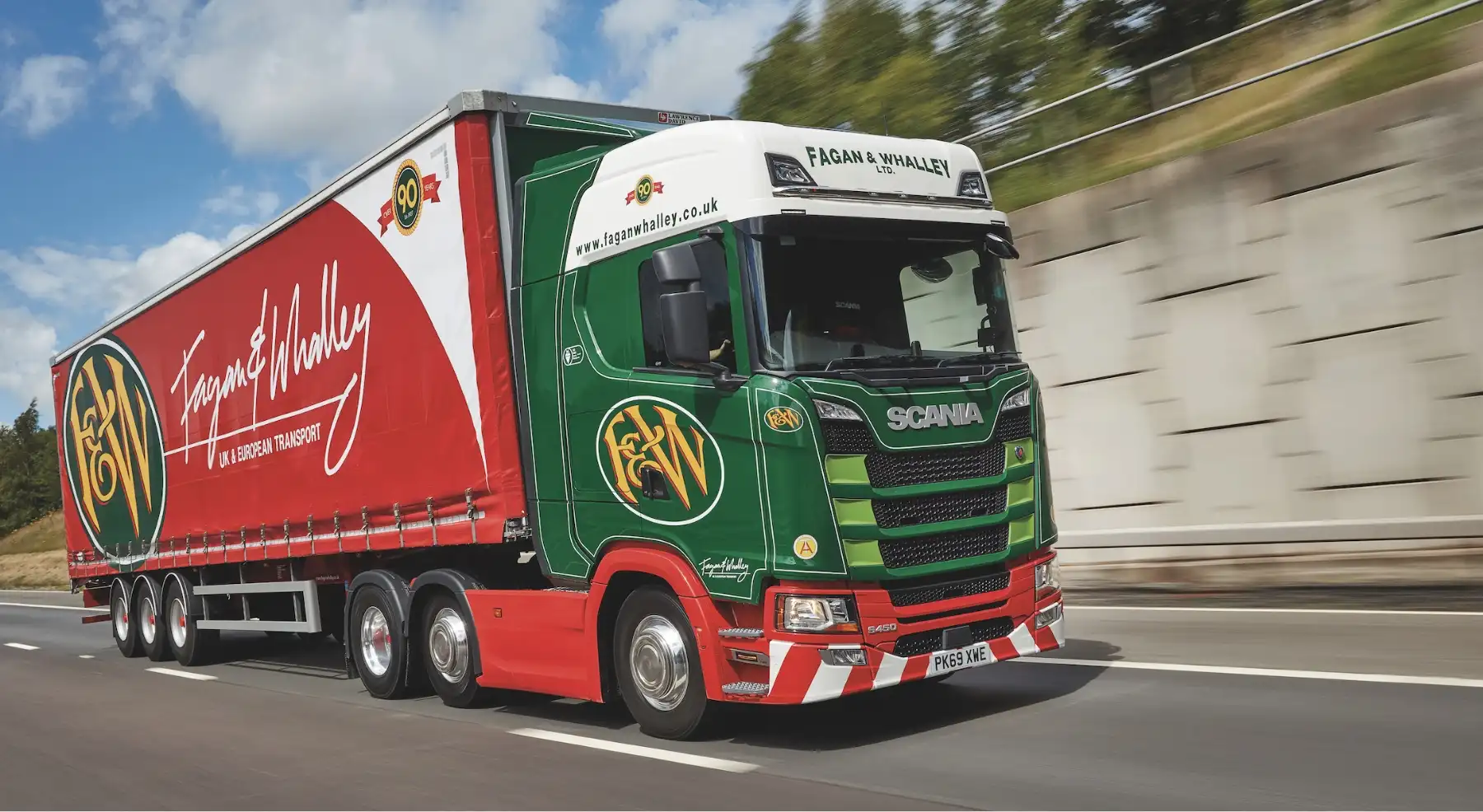
As the name suggests, distribution involves the transportation and delivery of goods from warehouses to their final destinations, such as retailers or customers. This process includes picking, packing, and shipping orders promptly and accurately to meet customer expectations.
Effective distribution is crucial for businesses to maintain customer satisfaction and enhance their bottom line. It reduces costs, improves delivery times, and ensures goods reach their destinations in optimal condition.
Benefits of investing into class-leading distribution solutions:
- Enhances order fulfillment speed
- Reduces delivery errors
- Improves customer satisfaction through timely delivery
- Gain access to real-time order tracking
- Get premium next-day and economy delivery options throughout UK and Europe
Explore our distribution services to see how we ensure seamless operations from warehouse to customer.
What is the relationship between warehousing and distribution?
While warehousing focuses on storing goods, consolidation centres are designed to facilitate the quick movement of goods through the supply chain. Together, these functions form the backbone of modern logistics, making sure that inventory is stored and delivered efficiently.
For example, a warehouse may hold bulk shipments of inventory for extended periods, whereas an advanced consolidation center might process smaller quantities for rapid delivery. Businesses often use both warehousing and distribution to balance inventory storage needs with customer demand.

What are the processes of warehousing and distribution?
The processes involved in warehousing and distribution are interconnected, forming a seamless flow of goods through the supply chain. Here’s how they typically work:
- We receive the goods: Inventory arrives at the warehouse
- Storage: Products are stored in appropriate locations based on demand and type
- Order processing: When an order is placed, goods are picked, packed, and prepared for shipping by our team
- Transportation: Orders are dispatched to their final destinations
- Delivery: The goods reach retailers or end consumers
By integrating class-leading warehousing and distribution, businesses can reduce costs, improve efficiency, and maintain better control over their supply chain.
Warehousing & Distribution Companies UK
If you’re searching for reliable warehousing and distribution companies in the UK, at Fagan & Whalley, we’re here to help. With decades of experience, we provide tailored solutions for businesses of all sizes. From secure storage to efficient distribution services, we ensure your supply chain operates smoothly with our class-leading facilities and expertise.
Contact us today or call us on to discuss how we can support your logistics needs.