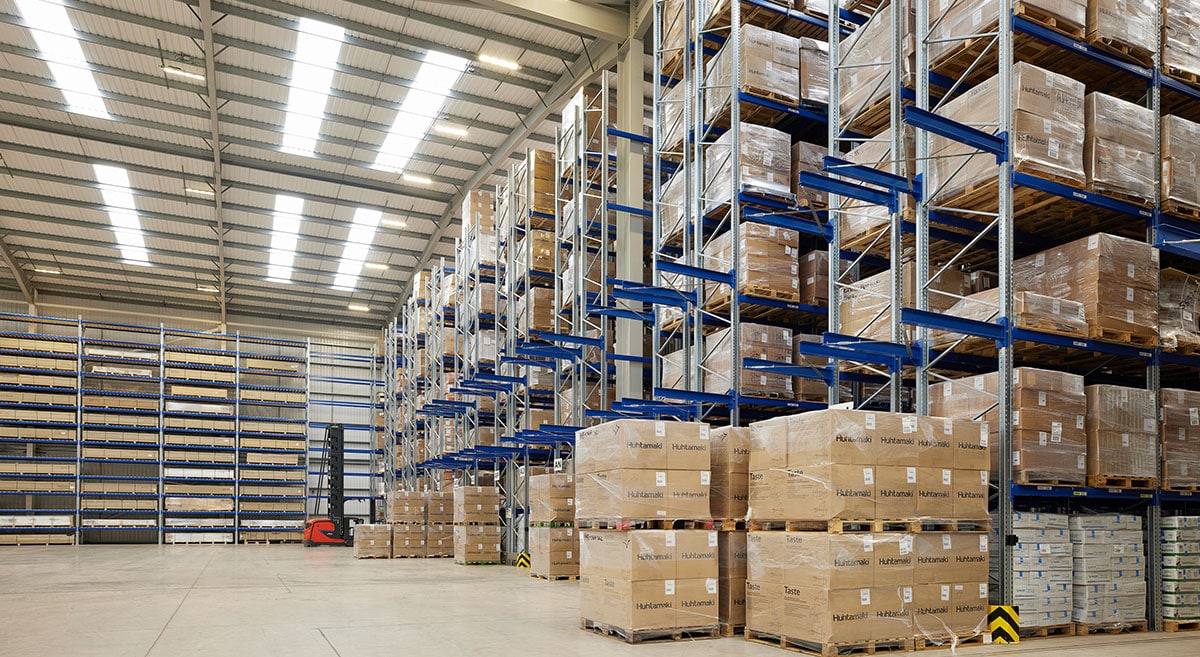
The logistics industry, once built on horse-drawn carriages transporting goods across the country, has grown into the backbone of modern society. Evolution, therefore, is nothing new for the sector.
With 2025 well underway, we’re examining the latest trends within storage and distribution this year. What can you expect to see? How can you stay ahead of new initiatives coming your way?
Let’s take a look…
Table of contents:
- AI, automation & predictive analytics
- Increased investments in technology
- Sustainability
- Data analysis & reports
- Employee wellness
- The future of storage and distribution
1. AI, automation and predictive analysis

Automation isn’t just a buzzword anymore – it’s the backbone of most industries in modern Britain, and the logistics industry is no different. In 2025, we’re anticipating a rapid acceleration in automation, driven by artificial intelligence (AI) and predictive analytics.
Currently, AI in logistics is being used to:
- Increase driver safety
- Enhance route optimisation
- Improve customer service
- Predict vehicle maintenance
However, the potential for an even greater impact on the storage and distribution industry is substantial. As AI-powered platforms advance in function, the use of predictive analysis to deliver cost savings, test strategies and further streamline logistics companies’ operations seems likely.
Imagine being able to simulate different supply chain scenarios before making costly real-world changes. AI-powered digital twins – virtual models of warehouses, distribution centres, or entire supply chains – allow logistics companies to test new strategies in a risk-free environment.
For example, a company trialling a new warehouse layout could use AI simulations to predict the impact on picking times, workforce efficiency, and overall productivity. Similarly, AI could analyse historical data to recommend the best time for fleet maintenance, reducing unexpected breakdowns and downtime. For 3PL providers, this will mean a sharper focus on operational efficiency.
→ Find out more about how AI is shaping the logistics industry.
2. Increased investments in technology

With the first point in mind, it’s likely that as automation and AI become more widespread, costs and budgets will naturally change to accommodate these new investments.
While the initial investment into technology may feel steep for many smaller storage and distribution service providers, the trade-off is the increased efficiency and reduced downtime of operations. The long-term benefits – such as improved reliability and lower operational costs – will be deemed by most as worthwhile.
3. Sustainability

Try as you might, there’s no getting around this next point. Sustainability. Yes – it’s here to stay. Sustainability is no longer a nice to have; it’s a necessity. With Net Zero 2050 targets looming, the storage and distribution sector is under pressure to adopt even greener practices.
Environmentally friendly solutions such as HVO-fuelled depots, electric vehicles, lithium-ion MHE and optimised routing are becoming staples in warehousing and distribution networks throughout the UK.
Whilst these investments often have an initial capital investment, by prioritising sustainability, businesses can not only meet regulatory requirements but also appeal to environmentally conscious consumers.
For larger logistics companies, these investments are becoming standard, but for smaller operations, they could be a defining factor in staying competitive. As sustainability expectations rise, businesses that invest in greener solutions will have a stronger position in the market, meeting both regulatory demands and customer preferences. Those who fail to adapt risk falling behind as sustainability shifts from an advantage to an expectation.
→ Learn more about our first HVO-fuelled depot here.
4. Data analysis & reports

Next, advanced data analysis and reporting tools are making a huge impact on how businesses manage storage and distribution.
From tracking inventory levels to analysing delivery performance, data analytics can uncover inefficiencies and highlight opportunities for cost savings. Businesses can also use these insights to optimise stock levels, reduce overstocking, and improve customer satisfaction.
With real-time tracking capabilities, companies can monitor their operations more closely than ever, guaranteeing smoother supply chain management and fewer disruptions.
Employee wellness
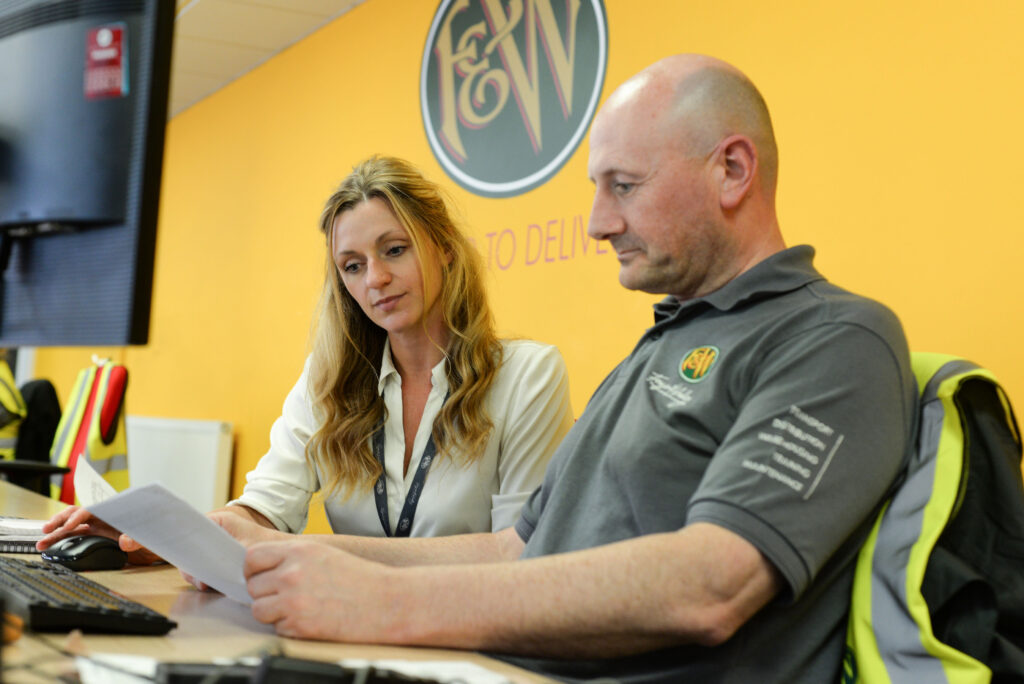
Finally, amidst all the technological advancements, the human side of storage and distribution shouldn’t be overlooked. Employee wellness is a growing focus, as businesses recognise the importance of a healthy, motivated workforce.
In 2025, we expect to see more investment in training programs, mental health support, and ergonomic work environments. Happier employees are not only more productive but also less prone to workplace accidents – a win-win for both businesses and their teams.
Simple measures like flexible shifts, wellness initiatives, and clear communication can go a long way in improving morale and reducing fatigue. By taking care of their people, businesses can build stronger, safer, and more efficient operations.
Within the distribution industry, organisations like The Road Haulage Association are actively campaigning for better roadside facilities, highlighting the importance of safe, accessible spaces for drivers to rest. As the sector faces mounting pressure, prioritising driver wellbeing – through initiatives like secure rest stops, mental health resources, and more – is essential.
→ Find out more about how to look after your HGV driver’s mental health here.
The future of storage and distribution
So, there we have it. The future of storage and distribution is all about balance: using advanced technologies while staying grounded in sustainable and human-focused practices.
Automation will undoubtedly take centre stage, streamlining operations and driving efficiency, but the role of people – and the planet – remains equally vital.
As we work through 2025, we’re confident that businesses embracing these trends will position themselves as leaders in the logistics and supply chain space. Whether that’s through cutting-edge AI systems, greener warehouses, or better employee engagement, there are plenty of opportunities for companies to set themselves apart.
Are you ready to advance your storage and distribution? Contact us here to see how we can help you stay ahead of the curve. Alternatively, call us on 01282 771983.